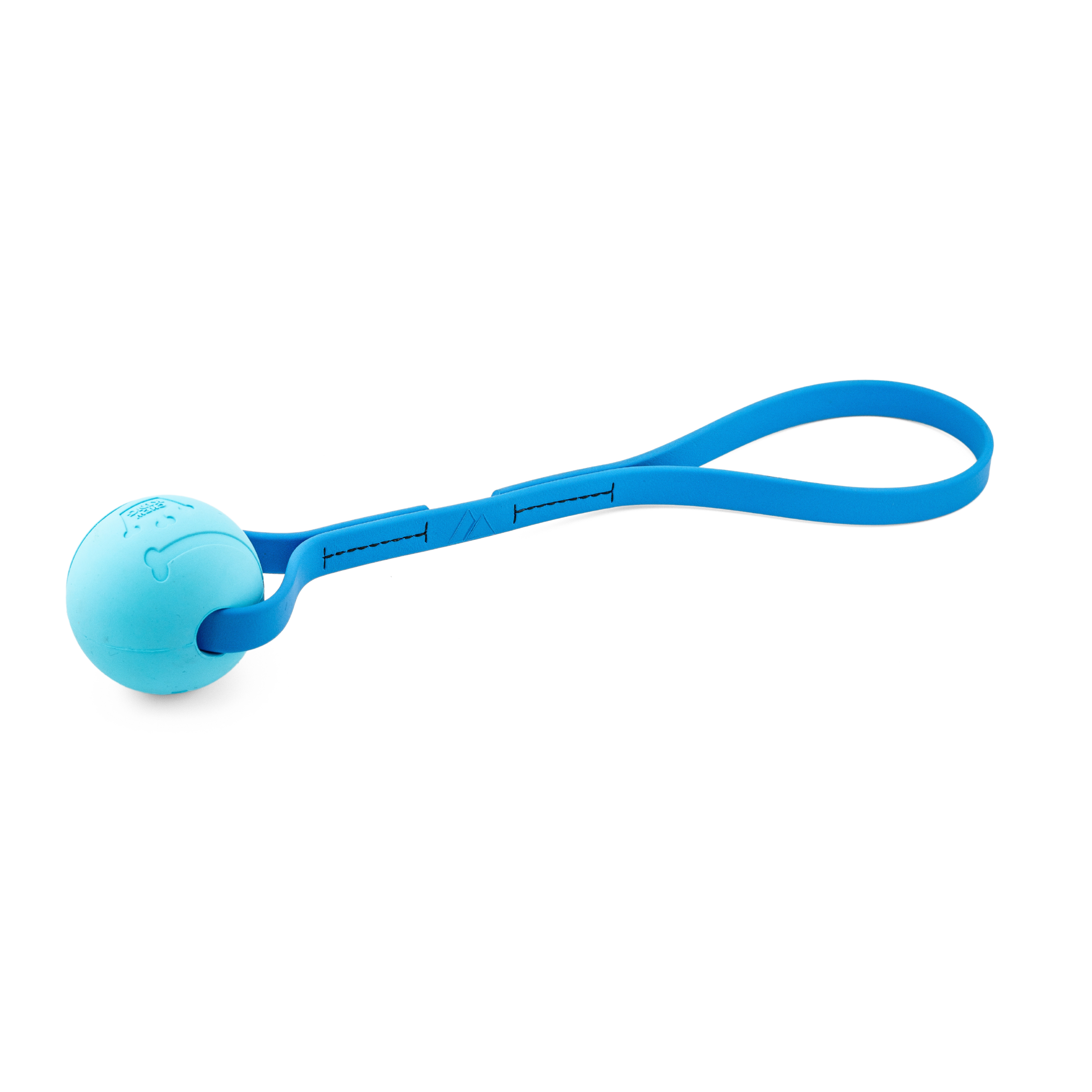
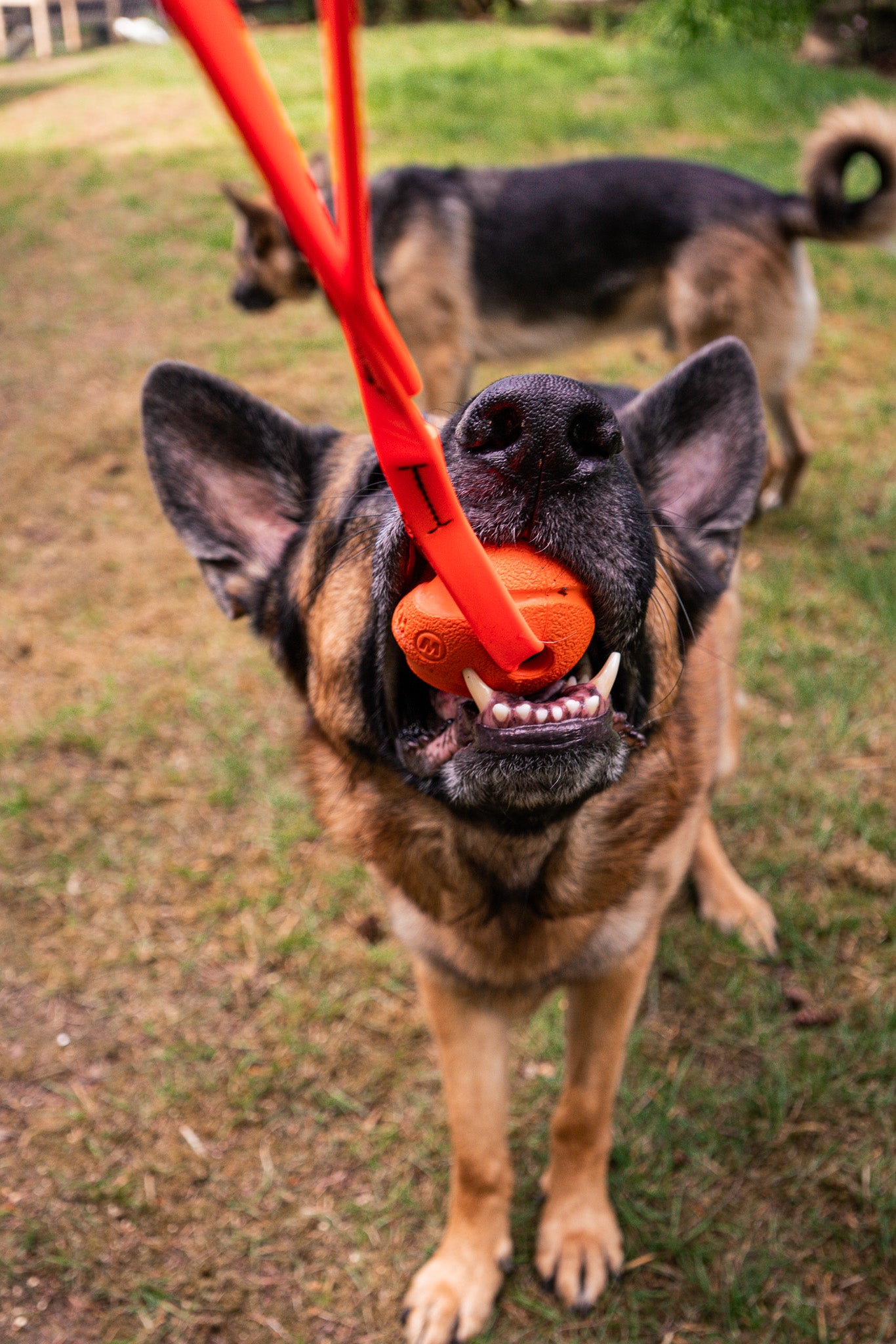
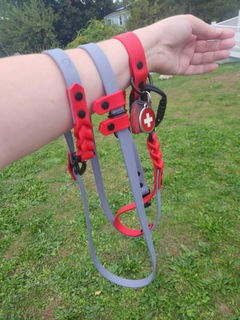
Prioritize control
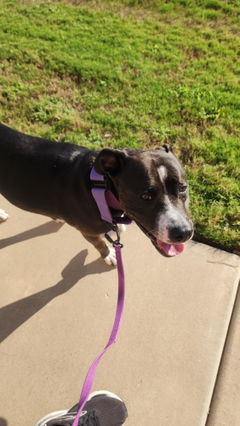
Choose hardware and materials that remain easy to grip, clip, and manage when your dog accelerates, changes direction, or becomes highly engaged.
Belgian Malinois Gear Guide
A practical guide to choosing strong, waterproof, correctly sized leash and collar systems for Belgian Malinois used for everyday walking, training, hiking, recall, and active work.
Quick answer
The best leash and collar for a Belgian Malinois should be strong, easy to handle, resistant to water and dirt, and appropriately sized for the dog’s neck, training level, and activity. For most Malinois owners, a 6-foot BioThane leash paired with a properly fitted 1-inch collar is the most practical everyday setup. A long line, hands-free leash, or quick-release collar may be useful for more specialized work.
Built for capable dogs
Belgian Malinois are athletic, fast, environmentally aware, and often highly motivated to move. Their gear should give the handler reliable control without adding unnecessary bulk or complexity. The right setup should feel secure during everyday walks, structured training, active outings, and high-arousal moments.
For most owners, the best starting point is a durable standard leash and a properly fitted flat or quick-release collar. From there, specialized gear can be added based on how the dog is trained and used. Long lines are useful for recall and tracking. Hands-free leashes are useful for hiking and structured movement. Wider or reinforced collars may be helpful for powerful dogs that apply significant pressure to their equipment.
Choose hardware and materials that remain easy to grip, clip, and manage when your dog accelerates, changes direction, or becomes highly engaged.
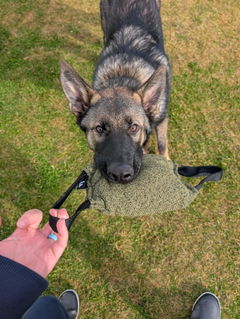
A collar should sit securely without restricting breathing or sliding over the dog’s head. Measure the actual neck instead of relying only on breed averages.
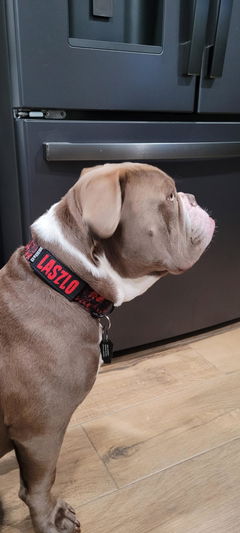
A six-foot leash is excellent for daily use, while a long line, hands-free system, or reinforced collar may be better for specific activities.
Recommended setup
These recommendations cover everyday handling, training, active use, and more demanding work with strong, athletic dogs.
Best for everyday handling
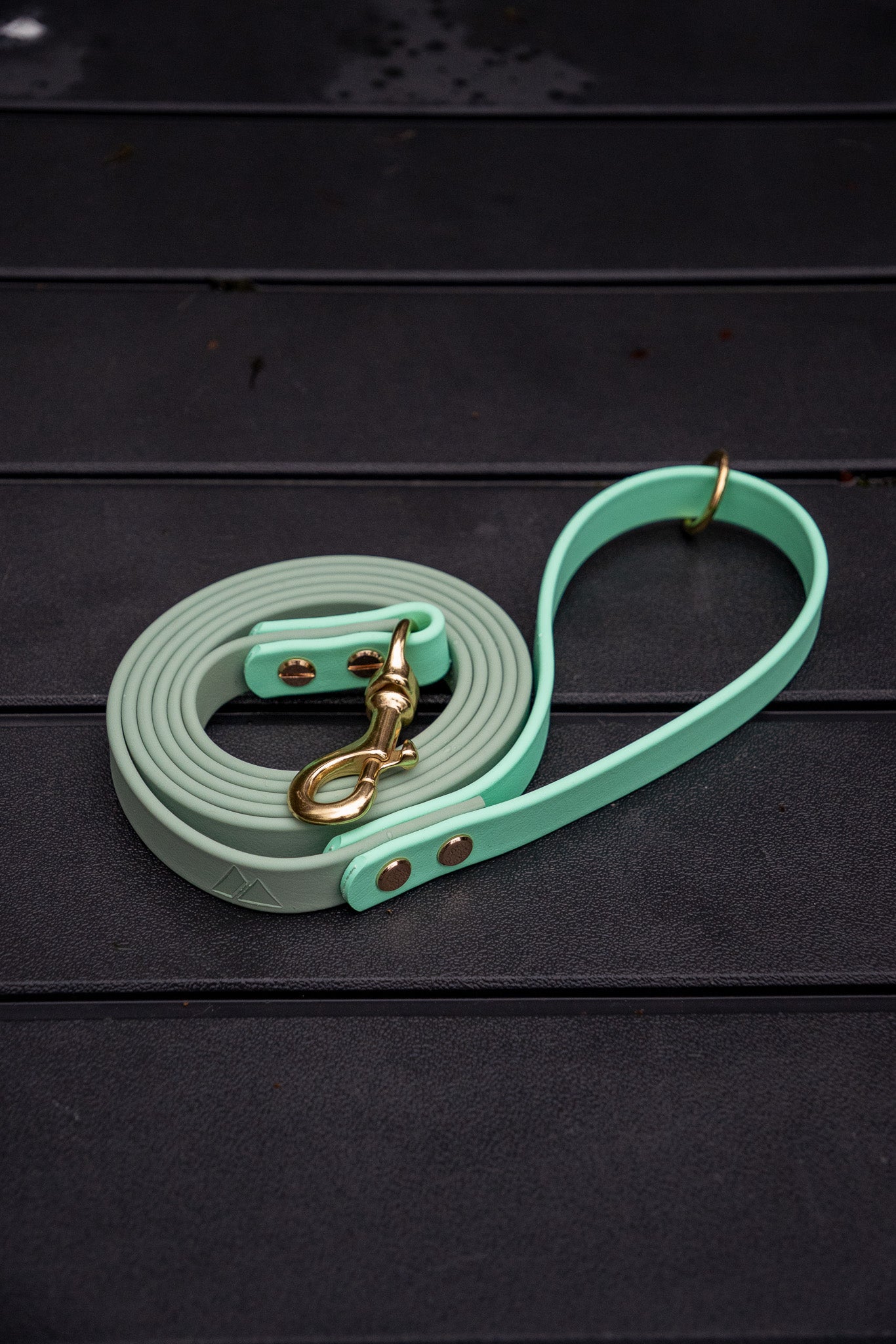
A durable standard leash is the most versatile starting point for Malinois owners. Use it for daily walks, obedience, transitions, and controlled movement.
Best for active use
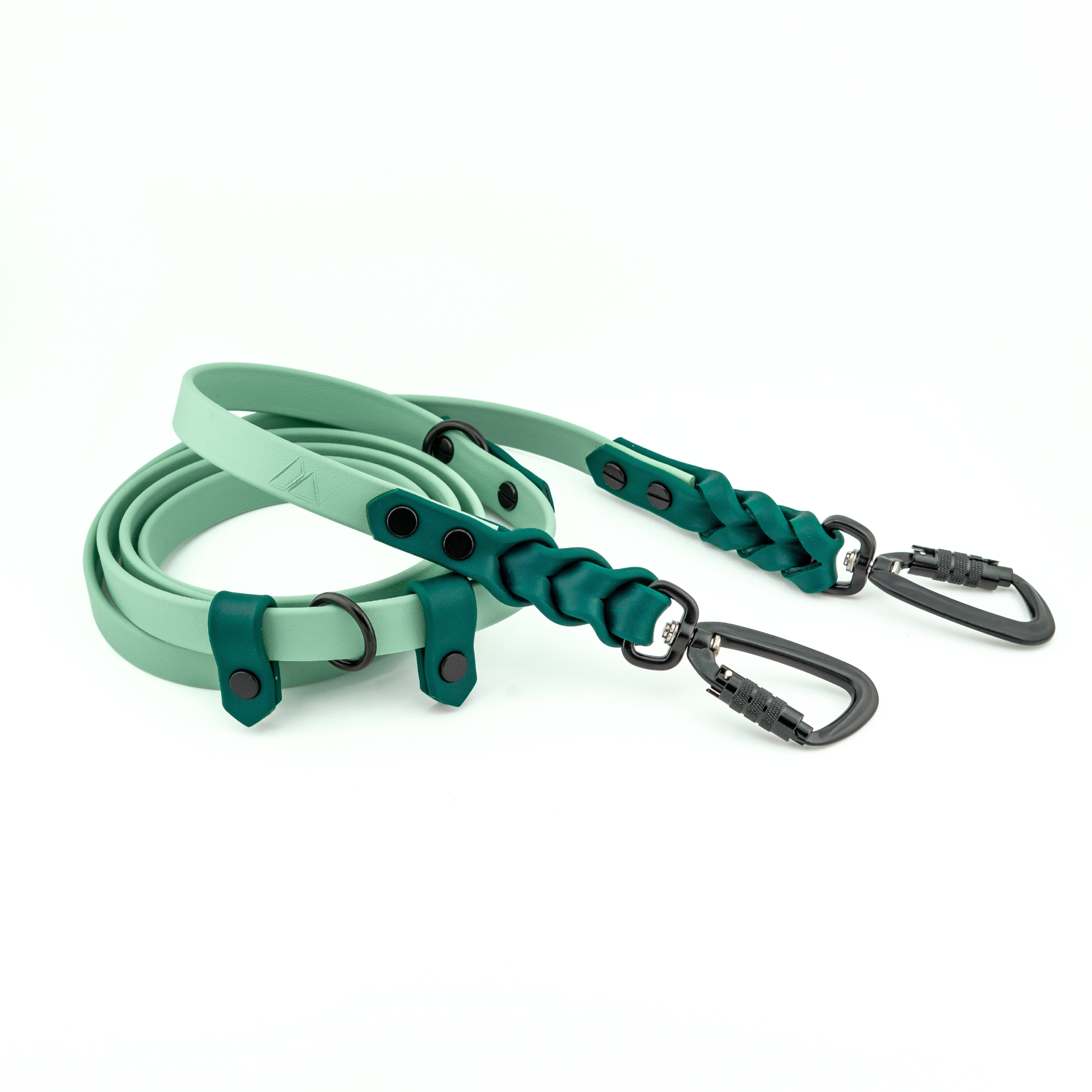
An adjustable hands-free leash gives experienced handlers multiple carrying positions for hiking, training, running, and movement-focused work.
Best collar option
A secure quick-release collar combines practical handling, waterproof construction, durable hardware, and a streamlined fit for athletic dogs.
Material guide
BioThane is one of the most practical materials for Malinois leashes and collars because it combines strong webbing with a smooth waterproof coating. It can be wiped clean after wet walks, muddy training sessions, tracking work, or outdoor adventures.
It also resists odor and does not need the regular conditioning associated with leather. The correct width, thickness, hardware, and construction should still be selected for the individual dog.
BioThane is a coated webbing material that is waterproof, easy to clean, resistant to odor, and available in strengths suitable for powerful dogs. It provides many of the handling benefits of leather without absorbing water or requiring regular conditioning.
Side-by-side comparison
The best leash depends on what you are doing with the dog. No single leash is ideal for every walk, training session, or activity.
| Leash type | Best use | Advantages | Watch for |
|---|---|---|---|
| Standard 6-foot leash | Daily walks and obedience | Simple, versatile, direct handler feedback | Too much slack can create tangles |
| Hands-free leash | Hiking, running, and structured movement | Keeps hands available and distributes force | Requires leash skills before high-distraction use |
| Long line | Recall, tracking, decompression, and field work | Provides distance while maintaining a safety connection | Can burn, tangle, or catch if handled carelessly |
| Traffic lead or leash tab | Close control and transitions | Compact and easy to grab near the dog | Not enough length for normal walking |
Collar selection
A properly fitted flat collar is the best general-purpose option for many Malinois. Choose a strong buckle, durable D-ring, and enough width to distribute pressure without limiting neck movement.
Best for: everyday wear and identification
A quick-release collar is useful when the handler needs to remove the collar efficiently. Quality matters because the buckle must remain secure during normal use while still being practical to operate.
Best for: active handlers and frequent gear changes
A martingale can provide additional security for dogs that may back out of a standard collar. It should tighten only enough to prevent escape and should not function as an endlessly tightening collar.
Best for: escape prevention when properly fitted
A wider collar can spread pressure over more surface area and may be comfortable for larger or highly driven dogs. It should not interfere with shoulder movement, jaw motion, or equipment used during training.
Best for: powerful dogs and demanding activities
Sizing guide
Measure the neck where the collar will naturally sit. Use a flexible measuring tape and record the actual circumference without adding several inches or pulling the tape tight.
Compare that number with the product’s adjustment range. The measurement should fall comfortably inside the range rather than at the absolute minimum or maximum whenever possible.
Use a flexible tape where the collar will naturally sit.
Select a size that places the measurement comfortably inside the adjustment range.
The collar should be snug enough to stay secure while allowing normal breathing, swallowing, and movement.
Common mistakes
Malinois vary in size, structure, drive, training, and handling needs. Measure the individual dog and choose gear based on the actual activity.
More weight does not automatically create more control. A leash should be strong enough for the dog while remaining comfortable and responsive in the handler’s hands.
A loose collar may slide over the head or allow hardware to strike the dog. Recheck fit as the dog grows, gains muscle, sheds coat, or changes weight.
Long lines require deliberate handling. Avoid wrapping the line around hands, allowing it to drag across bare skin, or letting it build uncontrolled speed before reaching the end.
Answer-first guide
These concise answers address the questions Malinois owners commonly ask before selecting walking, training, and active-use gear.
The best general-purpose leash for a Belgian Malinois is usually a strong 6-foot leash made from BioThane, leather, or quality webbing. Six feet gives the handler enough room for natural movement while maintaining practical control.
For active use, a hands-free leash may be helpful. For recall, tracking, or decompression, add a separate long line rather than trying to make one leash perform every job.
The best everyday collar for most Belgian Malinois is a properly fitted flat or quick-release collar made with durable hardware and water-resistant material. A width around 1 inch works well for many adult Malinois, although the correct width depends on the individual dog.
Dogs that can back out of collars may benefit from a properly fitted martingale used under appropriate supervision.
A 6-foot leash is the best all-around length for most Malinois walks and obedience training. It offers a useful balance between freedom and handler control.
Shorter leads are useful for close transitions, while 10- to 30-foot long lines are better for recall, tracking, and distance work.
Yes, correctly selected BioThane is strong enough for most Belgian Malinois. BioThane is coated webbing available in different widths, thicknesses, and break strengths, so the finished product must be built with material and hardware appropriate for a powerful dog.
Bolder K9 gear is designed around practical handling, waterproof construction, and durable components for active dogs.
BioThane is often more practical than nylon for Malinois owners who train outdoors or in wet and muddy conditions. It does not absorb water, is easy to wipe clean, and is less likely to hold odor.
Nylon is usually lighter and less expensive, but it can absorb moisture, become dirty, and develop rough edges with wear.
Yes, a well-made leather leash can be an excellent choice for a Belgian Malinois because it is strong, comfortable in the hand, and becomes more flexible with use. However, leather needs more maintenance than BioThane.
Owners who regularly encounter rain, mud, saltwater, or wet training fields may prefer BioThane because it is easier to maintain.
A Malinois can use a hands-free leash once the dog has sufficient leash skills and the handler understands how force will transfer to the body. Hands-free systems are useful for hiking, running, training, and carrying equipment.
They are not a substitute for leash training. A dog that lunges intensely can pull the handler off balance when attached at the waist or torso.
Yes, long lines are especially useful for Belgian Malinois because they allow structured recall practice, tracking, exploration, and distance work while maintaining a physical safety connection.
Use gloves when appropriate, avoid wrapping the line around your hand, and prevent the dog from reaching full speed before hitting the end.
Many adult Belgian Malinois do well with a leash between 1/2 inch and 3/4 inch wide, depending on the material, hardware, and handler preference. Width alone does not determine strength.
A narrower leash may feel lighter and more responsive, while a wider leash may provide more surface area in the hand.
A 1-inch collar is a practical starting point for many adult Belgian Malinois. Some dogs may be more comfortable in a wider collar, especially during active work or when they place significant pressure against the leash.
The collar should not interfere with shoulder movement, jaw motion, breathing, or other training equipment.
Measure around the dog’s neck where the collar will naturally sit, using a flexible tape without pulling it tight. Record the actual measurement and compare it with the manufacturer’s adjustment range.
Do not choose a collar solely from the dog’s weight, age, or breed because neck circumference varies significantly.
A Malinois collar should be snug enough that it cannot easily slide over the dog’s head but loose enough for normal breathing, swallowing, and movement. The traditional two-finger guideline can be useful, but the dog’s structure and collar style matter.
Recheck the fit regularly, especially on growing dogs or dogs with seasonal coat changes.
A Belgian Malinois can wear a properly fitted everyday collar for normal identification and handling, but collars should be removed when they create an entanglement risk.
Remove or closely supervise collars during crating, rough play, unsupervised group housing, or activities where hardware could catch.
A Malinois can use either a harness or collar depending on the activity and training goal. Collars provide direct handling for everyday walking and obedience, while harnesses are useful for tracking, pulling sports, seat-belt restraint, and activities where neck pressure is undesirable.
Many handlers use both and select the attachment point based on the task.
Professional trainers use different leashes depending on the exercise, but common choices include 4- to 6-foot leather or BioThane leashes, traffic leads, drag lines, and long lines. The material matters less than safe handling, correct length, and reliable hardware.
A simple, well-made leash is usually more useful than an overly complicated system.
The best leash hardware for a Malinois is a strong, corrosion-resistant clip that matches the leash material and intended use. Bolt snaps, trigger snaps, locking carabiners, and quick-release clips can all work when properly rated and constructed.
Inspect moving parts regularly and replace hardware that bends, cracks, sticks, or opens unexpectedly.
Clean BioThane gear with warm water, mild soap, and a soft cloth or brush. Rinse away dirt and allow the gear and hardware to dry before storage.
Avoid harsh solvents, abrasive tools, and prolonged chemical exposure because they may damage coatings or finishes.
Inspect a Malinois leash and collar before demanding activities and at least weekly during regular use. Check the material, stitching, rivets, buckles, clips, D-rings, and adjustment points.
Replace equipment showing structural damage, deep cuts, severe abrasion, loose hardware, or unreliable closure.
Quick recap
Start with a durable 6-foot leash for everyday walking, handling, and obedience work.
Choose a properly fitted flat, quick-release, or martingale collar based on the dog’s structure and escape risk.
BioThane is a strong option for active Malinois because it is waterproof, easy to clean, and resistant to odor.
Add specialized equipment such as a hands-free leash or long line only when the activity requires it.
Fit, handling, maintenance, and hardware quality matter more than tactical appearance or unnecessary complexity.
Purchase checklist
Use this checklist to choose gear that fits the dog, the handler, and the intended work.
Measure the neck, review the adjustment range, and choose leash dimensions appropriate for the dog and handler.
Select BioThane, leather, or webbing based on weather, cleaning needs, grip, weight, and activity.
Confirm that clips, buckles, D-rings, stitching, and fasteners are suitable for a powerful, athletic dog.
Frequently asked questions
A durable 6-foot leash is the best all-around option for most Belgian Malinois. It provides enough space for natural movement while preserving practical control for walks, obedience, and transitions.
A properly fitted flat or quick-release collar is best for many Belgian Malinois. Choose durable hardware, waterproof material, and a width that distributes pressure without restricting movement.
Yes. BioThane is waterproof, easy to clean, odor-resistant, and available in constructions suitable for powerful dogs. It is especially practical for rain, mud, hiking, tracking, and regular outdoor training.
The correct size depends on the individual dog's neck measurement, not only the breed. Measure where the collar will sit and choose a size that places the measurement comfortably within the stated adjustment range.
The collar should be snug enough that it cannot easily slip over the head but loose enough for normal breathing, swallowing, and movement. Recheck the fit as the dog grows or changes weight and coat.
Hands-free leashes can be safe for trained Malinois when the handler understands how force transfers to the body. They should not replace leash training and may be unsuitable for dogs that lunge intensely or unpredictably.
Yes. Long lines are useful for recall, tracking, decompression, and distance work. Handle them carefully, avoid wrapping the line around your hand, and prevent the dog from building uncontrolled speed.
Wash BioThane with warm water, mild soap, and a soft cloth or brush. Rinse away residue and let the material and hardware dry before storing the gear.
Made for active dogs
Explore handmade BioThane leashes, collars, hands-free systems, and long lines built for practical control, outdoor use, and demanding dogs.
Explore Bolder K9 gear
Handcrafted collars, leashes, and gear designed to hold up through training, adventure, and everyday chaos.
Trusted by dog people
Thousands of dogs have put our gear through training, trail days, bad weather, muddy yards, and everyday chaos.
Real reviews from real customers who put our gear to work.
PURCHASE WITH PURPOSE
We believe great gear should do more than last. That's why a portion of every purchase supports rescue organizations, foster efforts, and the dogs who need a second chance.
A portion of every purchase supports rescue organizations
Hands-on support for rescue and foster efforts
Real involvement, not just a percentage
Built for working dogs while helping dogs in need
New Guide
New to BioThane? Learn what it is, why it works so well for dog gear, how it compares to traditional leash materials, and how to care for it.
Read the Guide