BOLDER K9 COLLECTION
Bite Tugs
Filter
Sort by:
A good tug toy gives your dog a clear reward, an outlet for drive, and a practical way to build engagement during training. The best choice depends on your dog’s size, bite style, training goals, and how intense the game gets.
A good training tug should match your dog’s size, bite style, drive level, and training goals. The right tug makes play more useful, more controlled, and more rewarding.
Small dogs and puppies usually need lighter, slimmer tugs. Stronger dogs often need reinforced fabric, firehose, or larger ball tugs.
Tug toys work best for engagement, reward-based training, recall practice, impulse control, and structured energy outlets.
A sturdy handle gives you cleaner movement, better timing, and safer reward delivery during active training.
Training tugs are interactive reward tools, not chew toys. Put them away after each session to help them last longer.
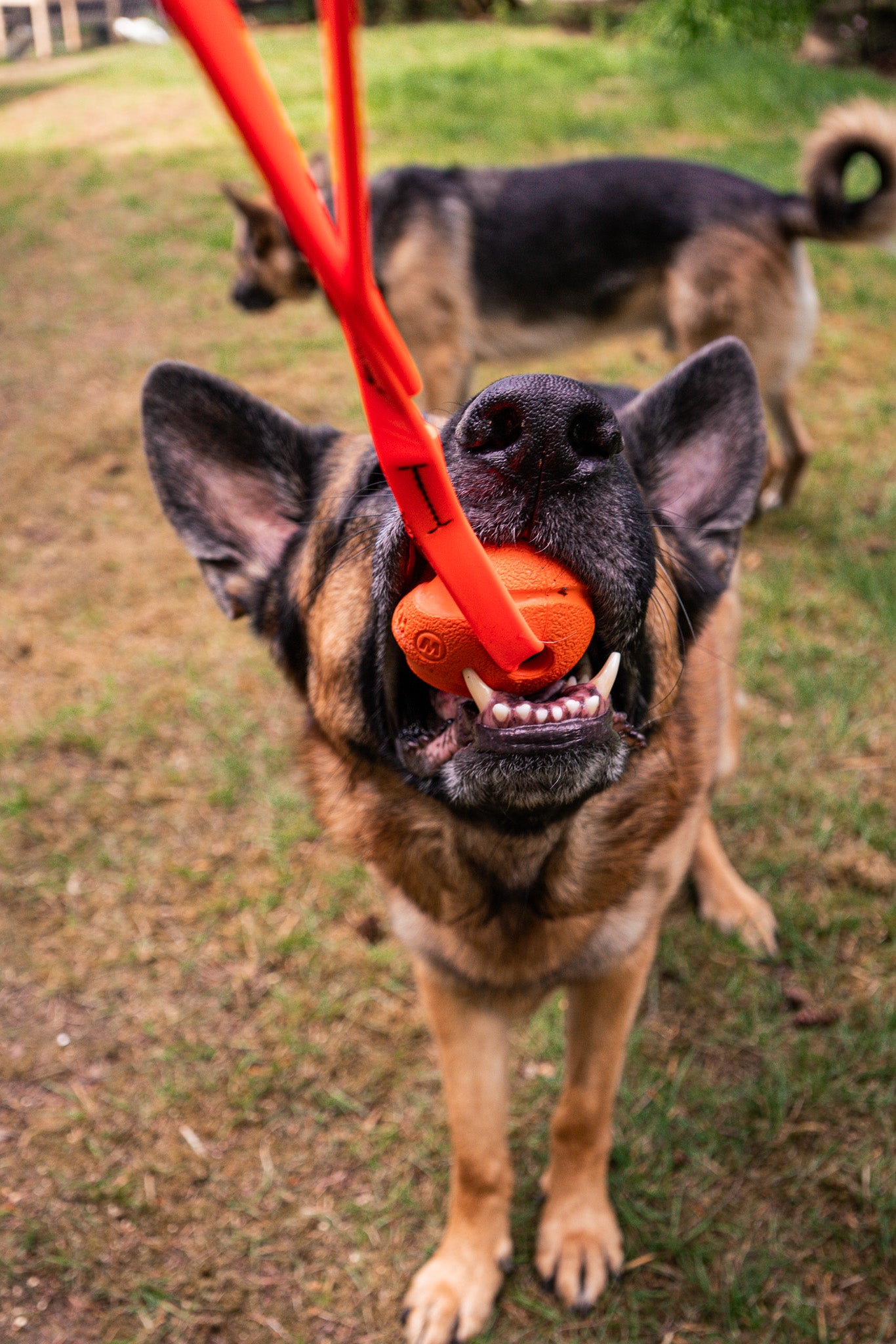
Tug toys give dogs a high-value reward that channels movement, focus, and drive into a structured game. For many dogs, tug is more motivating than food because it lets them chase, bite, pull, and win in a controlled way.
Yes. A tug toy can help your dog stay connected to you around distractions, especially when used as a reward for recalls, position changes, obedience, or focus work.
Yes. When paired with clear rules, tug teaches dogs to bite the toy, release on cue, reset, and re-engage without spilling energy into jumping or mouthing.
Choose a tug toy based on your dog’s size, bite style, training intensity, and how you plan to use it. A puppy learning engagement needs a different tug than a powerful adult dog doing high-drive reward work.
Most puppies do best with a lighter tug that is easy to bite, carry, and win. Smaller tugs help young dogs build confidence without fighting oversized gear.
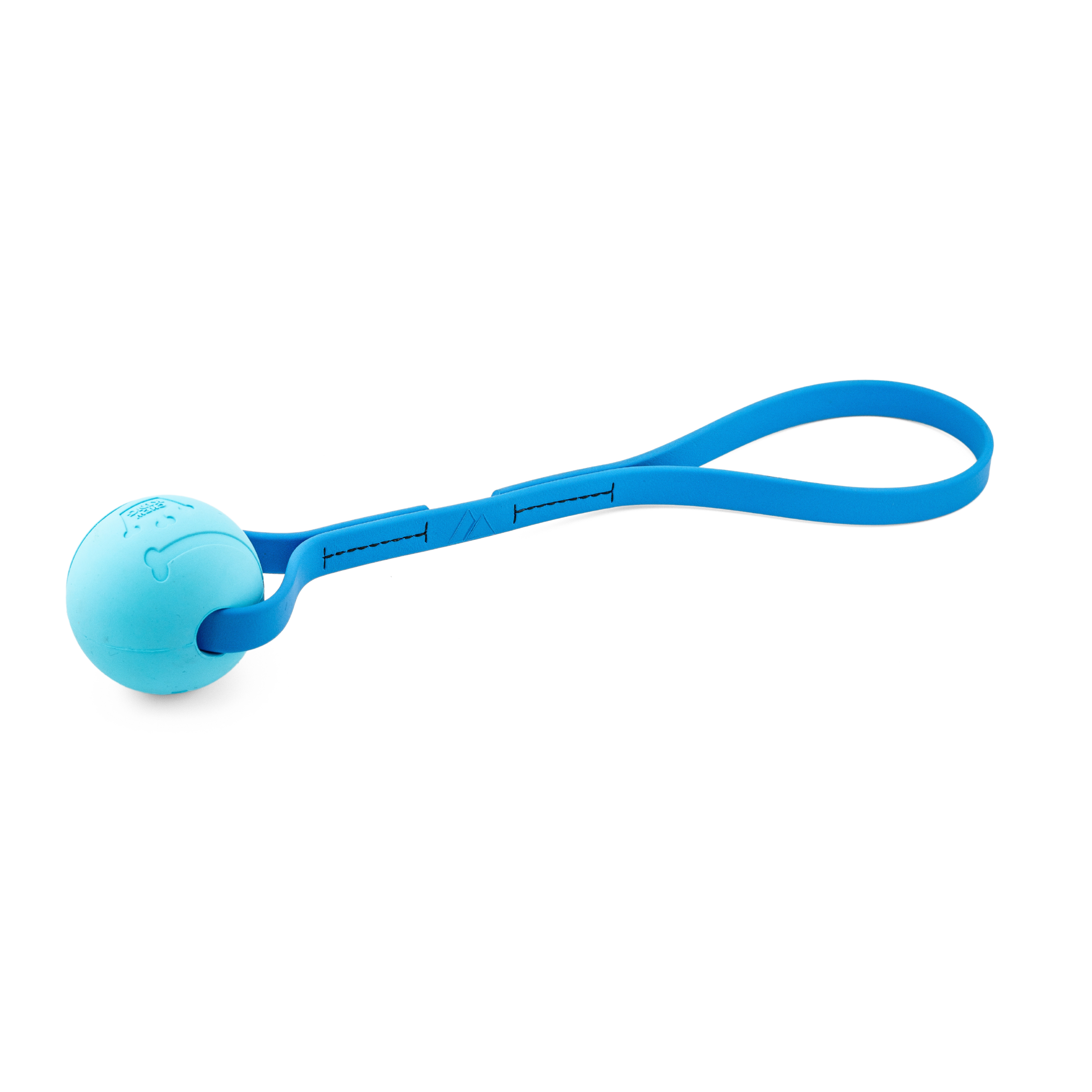
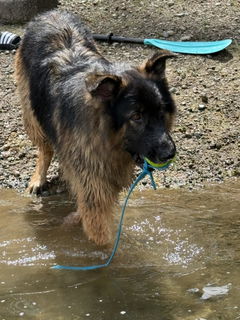
A BioThane-handled ball tug, Cordura tug, or firehose tug can be a strong everyday option for obedience rewards, backyard play, hiking breaks, and energy relief.
Strong or intense dogs usually need reinforced construction, a durable bite surface, and a sturdy handle that gives the handler control during repeated tug sessions.
No. Tug toys should be used as interactive training tools, then stored away after the session. This keeps the toy valuable and helps it last longer.
Use the tug as a clear reward after your dog gives you the behavior you asked for. Keep sessions short, energetic, and structured. Let your dog win, ask for a release, reset, and reward again.
A tug toy is designed for interactive play between dog and handler. A chew toy is designed for longer independent chewing. For training, keeping the tug special makes it more valuable.
Start with the tug that fits your dog’s size, training style, and intensity. These recommendations help shoppers move from learning to choosing the right gear.
Before buying a tug toy for dog training, make sure it fits your dog, your use case, and the way you plan to reward your dog.
The tug should be large enough to grip safely but not so large that your dog struggles to bite, carry, or re-engage.
Fabric, firehose, foam, rubber, and BioThane-handled tugs each feel different. Choose based on bite preference and training intensity.
Tug toys last longer and work better when used for interactive sessions, not left out as unattended chew toys.
Yes. Tug toys can be excellent training rewards when used with structure. They help build engagement, motivation, confidence, and impulse control while giving your dog a productive outlet for play.
No, tug does not automatically make a dog aggressive. When played with clear rules, tug can actually improve control by teaching your dog when to start, when to release, and how to re-engage calmly.
Puppies usually do best with smaller, lighter, softer tug toys that are easy to grip and not overwhelming. Keep sessions short, fun, and low pressure.
No. Tug toys are best used as supervised training tools. Putting the toy away after play helps prevent chewing damage and keeps the toy valuable as a reward.
A ball tug is often best for chase, quick reward moments, and dogs who love balls. A fabric tug gives the dog a larger bite surface and can be better for grip development, structured tug games, and harder play.
BOLDER K9 COLLECTION
Sort by: