BOLDER K9 FIELD NOTES
Bolder Blog

Sep 17, 2026
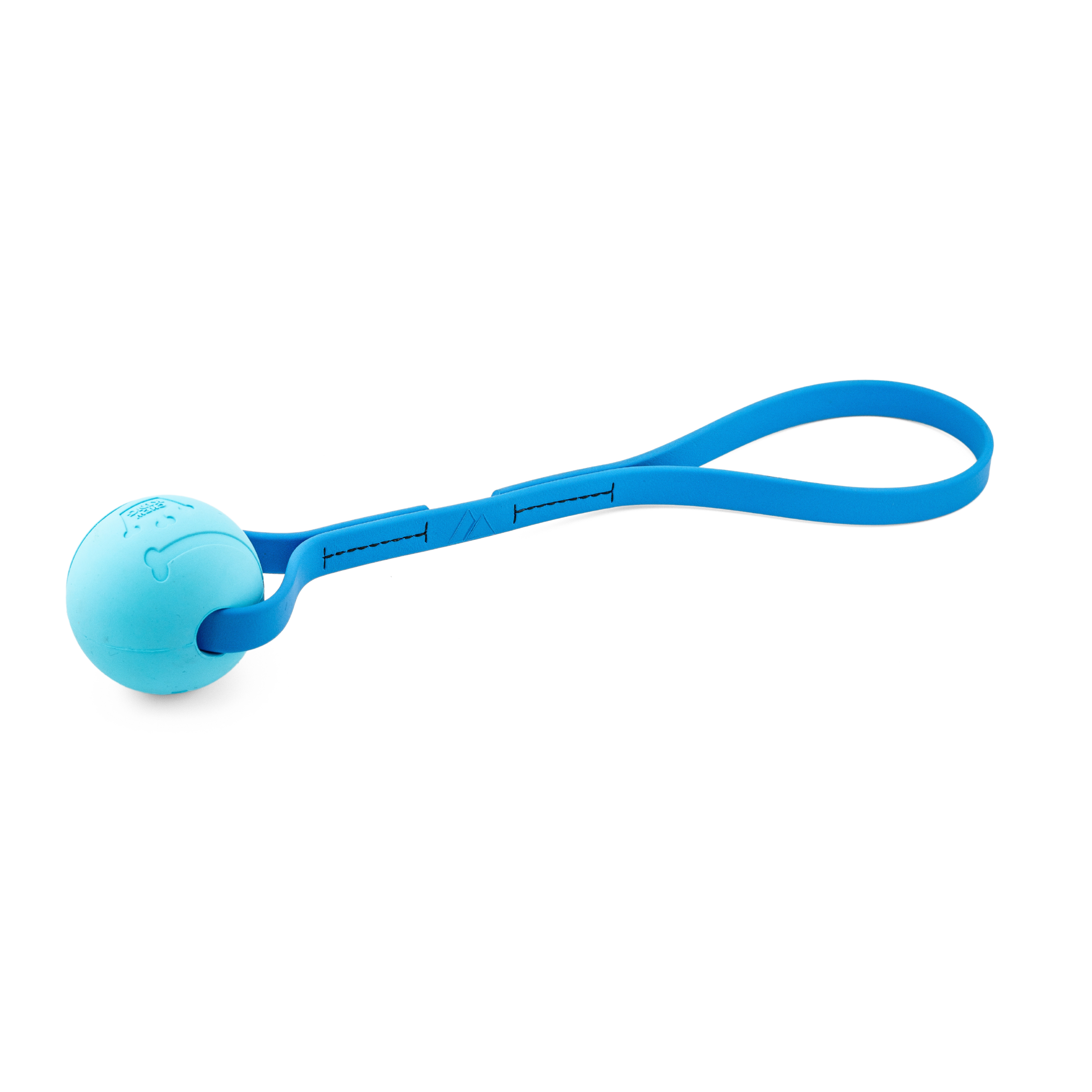
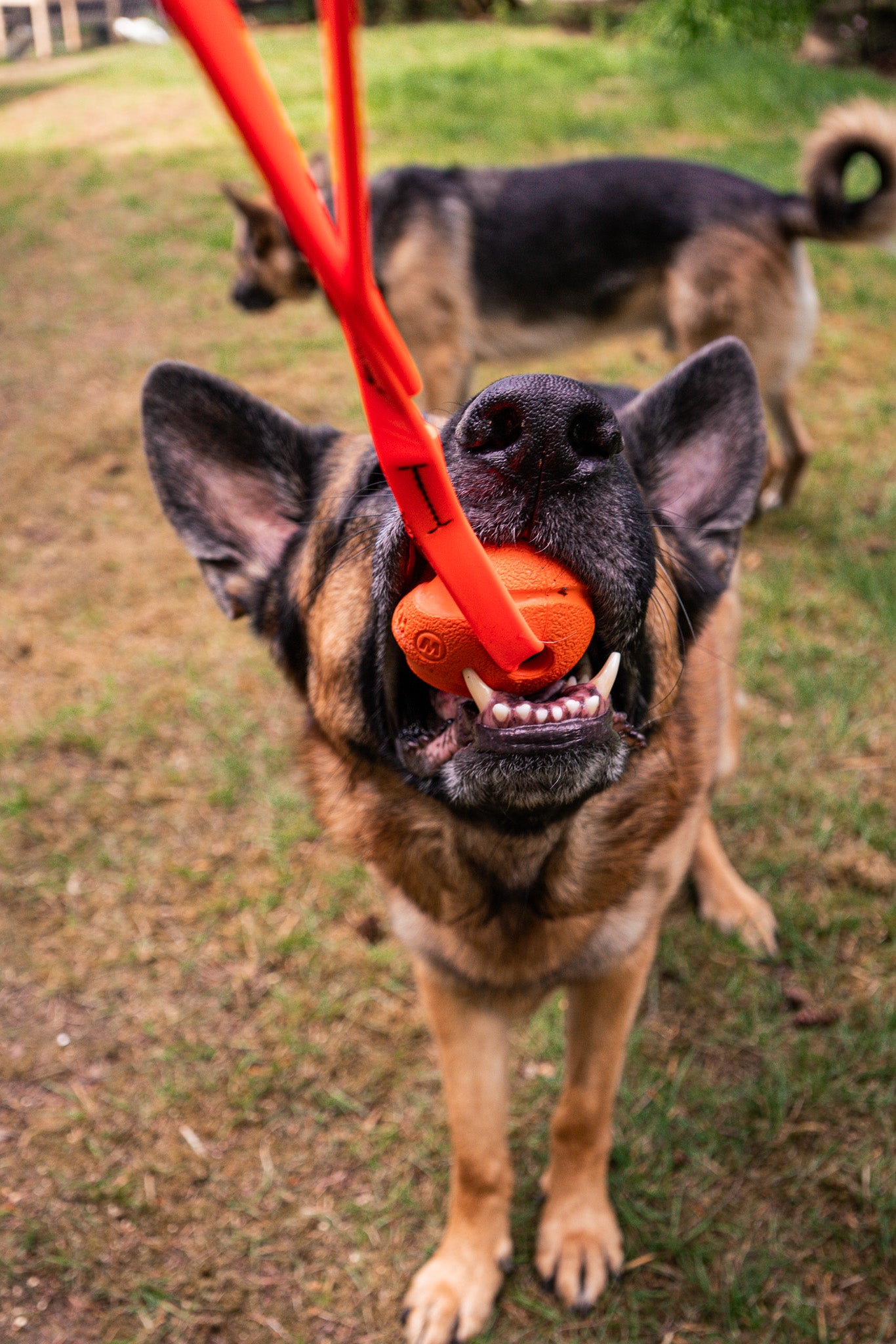
How to Teach Your Dog “Out” or “Drop It” With the Two-Toy Game
Teaching “out” or “drop it” doesn’t have to mean prying a toy from your dog’s mouth. The two-toy game uses two identical toys, movement, and c...
Read Article →
Sep 14, 2026
What Is a Dog Leash Safety Connector?
A dog leash safety connector creates a short backup connection between two pieces of dog gear. Learn how safety connectors work, when they may...
Read Article →
Aug 26, 2026
What Are Dog Leash Wraps?
Dog leash wraps are one of the simplest pieces of gear you can add to your setup, but they can have a surprisingly big impact. Whether your do...
Read Article →
Aug 23, 2026
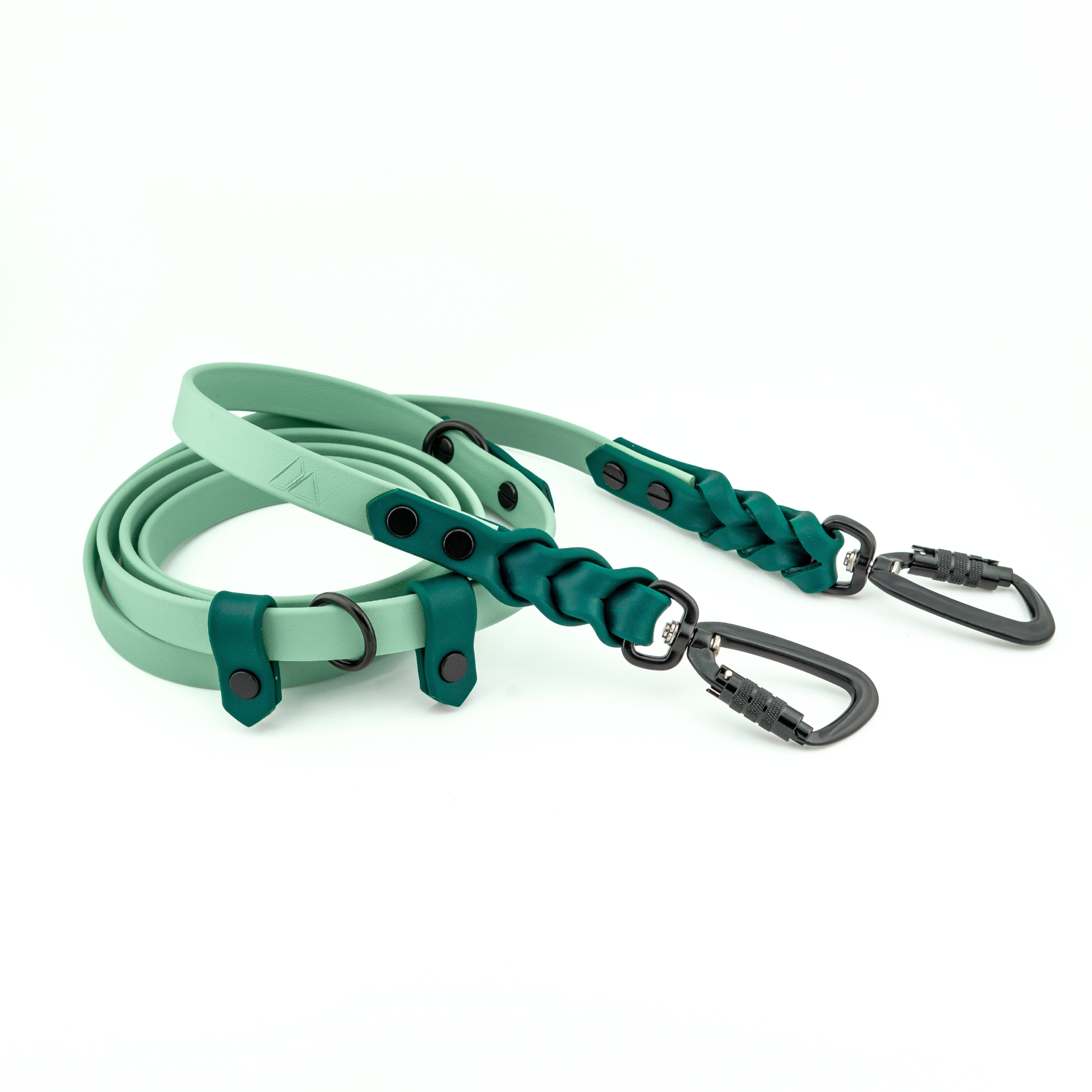
How to Choose a Hands-Free Dog Leash
A hands-free dog leash should do more than free up your hands. Learn the seven things that actually matter when choosing one—from fit and work...
Read Article →
Aug 20, 2026
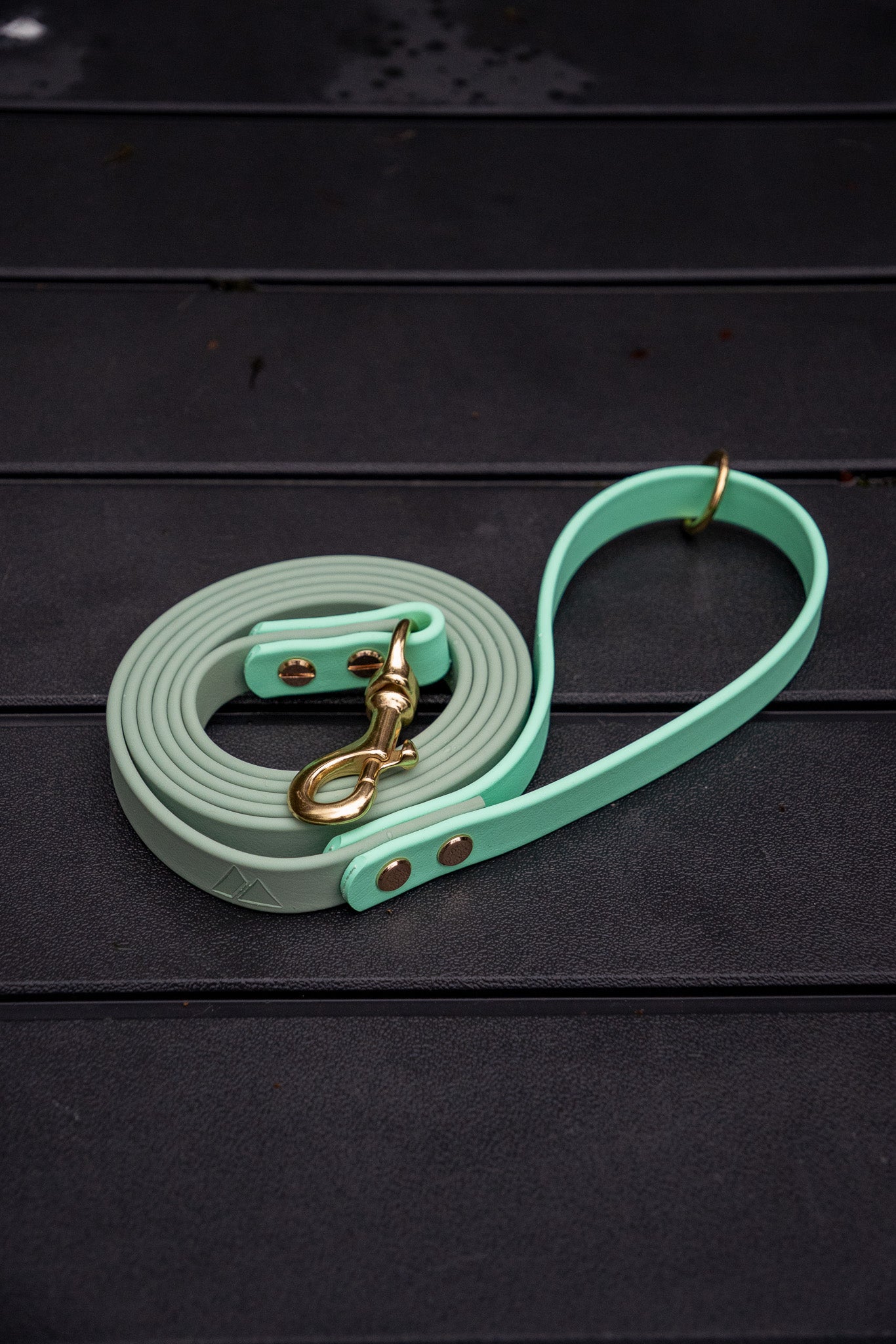
Breaking Down Long Lines for Dogs
A long line gives your dog more room to move without giving up the safety connection of a leash. Here’s how long lines work, what they’re actu...
Read Article →
Aug 14, 2026
Best Leashes, Collars, and Toys for Working Breeds
Not all dog gear is built for the demands of working breeds. Drawing on years of experience in German Shepherd rescue, we share our top recomm...
Read Article →